Working Hours: Mon-sat:08:00-18:00, Sunday-Closed


Dr. Mona Verma, a Senior Consultant Obstetrician and Gynecologist at Amytri Maternity Care, is dedicated to providing personalized and compassionate healthcare for women. Whether you need pregnancy consultation, fertility guidance, PCOS management, or general gynecological care, we are here to support you with expert medical advice and trusted treatment.
10 Mar, 2026
Introduction
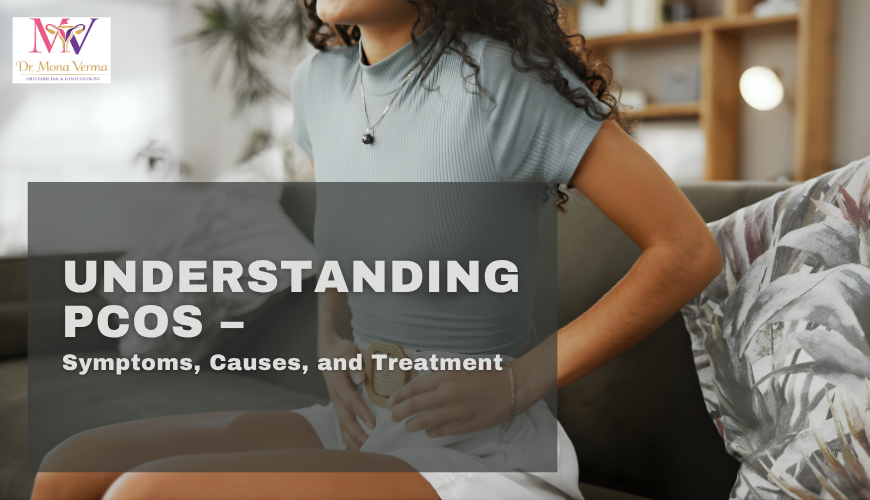
Polycystic Ovary Syndrome (PCOS) is one of the most common hormonal disorders affecting women of reproductive age. It affects millions of women worldwide and can influence menstrual health, fertility, metabolism, and even emotional well-being. Women with PCOS often experience irregular menstrual cycles, weight gain, excessive hair growth, acne, and challenges with ovulation, which can make conceiving difficult.
Despite being common, many women remain undiagnosed for years because the symptoms can vary widely from person to person. Early awareness and medical guidance are important to manage the condition effectively and prevent long-term complications such as diabetes, infertility, and heart problems.
Causes of PCOS
The exact cause of PCOS is still not fully understood, but research suggests that several factors may contribute to its development.
1. Hormonal Imbalance
Women with PCOS often produce higher-than-normal levels of androgens (male hormones). This hormonal imbalance can interfere with ovulation, leading to irregular or missed menstrual periods.
2. Insulin Resistance
Many women with PCOS develop insulin resistance, a condition where the body’s cells do not respond properly to insulin. As a result, the body produces more insulin, which can increase androgen levels and worsen symptoms such as weight gain and irregular cycles.
3. Genetic Factors
Genetics also play a significant role. Women who have a family history of PCOS—such as a mother or sister with the condition—are more likely to develop it themselves.
4. Lifestyle and Environmental Factors
Poor dietary habits, lack of physical activity, and stress can also contribute to hormonal imbalance and worsen the symptoms of PCOS.
Symptoms to Watch For
The symptoms of PCOS can differ from one woman to another, but some common signs may indicate the condition. Recognizing these symptoms early can help in getting the right diagnosis and treatment.
• Irregular or absent periods – Menstrual cycles may be infrequent, unpredictable, or completely absent due to irregular ovulation.
• Excess facial or body hair (hirsutism) – Increased androgen levels may cause unwanted hair growth on the face, chest, or abdomen.
• Acne and oily skin – Hormonal imbalance can lead to persistent acne that may not respond well to standard skincare treatments.
• Thinning hair or hair loss – Some women experience hair thinning on the scalp similar to male-pattern hair loss.
• Weight gain or difficulty losing weight – Metabolic changes can make weight management more challenging.
• Difficulty conceiving – Irregular ovulation can make it harder to get pregnant.
• Dark patches on skin – Some women develop darker skin patches around the neck, underarms, or groin due to insulin resistance.
If multiple symptoms are present, consulting a gynecologist for proper evaluation and testing is recommended.
Diagnosis of PCOS
Doctors typically diagnose PCOS through a combination of medical history, physical examination, blood tests to check hormone levels, and ultrasound imaging of the ovaries. An ultrasound may reveal enlarged ovaries with multiple small follicles, which is a common feature of the condition.
Early diagnosis allows women to start treatment sooner and reduce the risk of complications.
Treatment Options
Although PCOS cannot always be completely cured, it can be effectively managed with the right treatment and lifestyle changes. Dr. Mona Verma offers a comprehensive and personalized approach to PCOS management based on each patient’s symptoms, age, and reproductive goals.
1. Lifestyle Modifications
Healthy lifestyle changes are often the first step in managing PCOS. A balanced diet, regular exercise, and maintaining a healthy weight can help regulate hormones and improve insulin sensitivity.
2. Medications
Doctors may prescribe medications to regulate menstrual cycles, control androgen levels, and improve insulin resistance.
3. Hormone Therapy
Hormonal treatments, such as birth control pills, may help regulate periods, reduce acne, and control excess hair growth.
4. Fertility Treatments
For women who wish to conceive, fertility treatments can stimulate ovulation and improve the chances of pregnancy.
5. Long-Term Health Monitoring
Regular checkups are important because PCOS may increase the risk of conditions like diabetes, high blood pressure, and cholesterol issues if left unmanaged.
Living with PCOS
Living with PCOS can be challenging, but with proper medical care and lifestyle management, women can lead healthy and fulfilling lives. Education, emotional support, and consistent medical guidance play a key role in managing the condition successfully.
Conclusion
PCOS is a complex hormonal disorder, but timely diagnosis and the right treatment plan can significantly improve a woman’s health and fertility outcomes. Women experiencing symptoms should seek professional medical advice rather than ignoring early warning signs.
Regular consultations with an experienced gynecologist in Greater Noida, such as Dr. Mona Verma, can ensure personalized care and long-term health management. With the right support, women with PCOS can manage their symptoms effectively and maintain a healthy lifestyle.