Working Hours: Mon-sat:08:00-18:00, Sunday-Closed


Dr. Mona Verma, a Senior Consultant Obstetrician and Gynecologist at Amytri Maternity Care, is dedicated to providing personalized and compassionate healthcare for women. Whether you need pregnancy consultation, fertility guidance, PCOS management, or general gynecological care, we are here to support you with expert medical advice and trusted treatment.
10 Mar, 2026
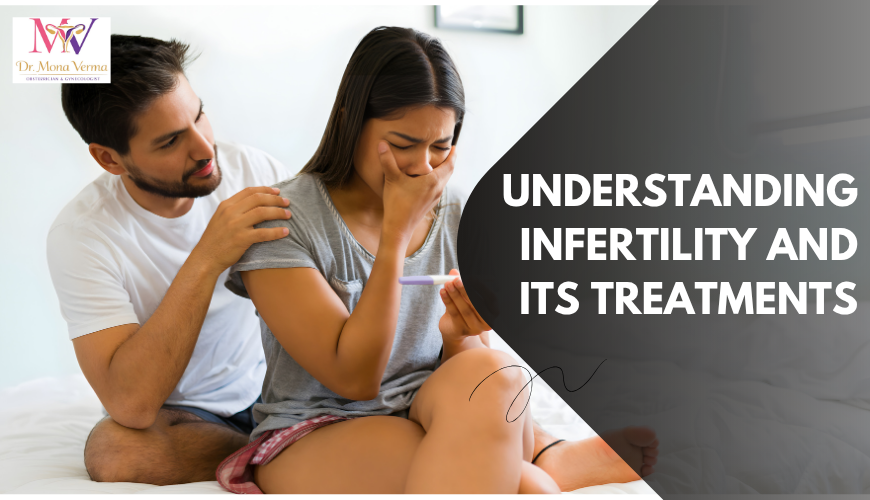
Infertility is a condition that affects many couples worldwide and can be an emotionally challenging experience. It is generally defined as the inability to conceive after 12 months of regular, unprotected intercourse. For couples trying to start or expand their family, this situation can create stress, frustration, and uncertainty. However, with modern medical advancements and the guidance of experienced fertility specialists, many couples are able to successfully overcome infertility.
Infertility can affect both men and women, and in some cases, the cause may involve factors from both partners. Understanding the potential causes and seeking timely medical evaluation can significantly improve the chances of achieving pregnancy.
What Is Infertility?
Infertility refers to the inability to conceive naturally after a year of trying. For women over the age of 35, doctors may recommend seeking medical advice after six months of unsuccessful attempts at pregnancy. Infertility does not always mean that pregnancy is impossible; rather, it indicates that medical assistance may be needed to identify and treat the underlying issue.
Infertility may be categorized as:
Early consultation with a gynecologist or fertility specialist can help identify potential problems and provide appropriate treatment options.
Common Causes of Infertility
Infertility can arise due to several factors affecting either partner. Identifying the root cause is an important step in determining the most effective treatment plan.
1. Hormonal Imbalances in Women
Hormones regulate the menstrual cycle and ovulation. When hormonal balance is disrupted, ovulation may become irregular or stop entirely, making conception difficult.
2. Polycystic Ovary Syndrome (PCOS)
PCOS is one of the most common causes of infertility in women. It occurs when hormonal imbalances lead to irregular ovulation and the development of small cysts in the ovaries. Women with PCOS may experience irregular periods, weight gain, acne, and excessive hair growth.
3. Blocked Fallopian Tubes
The fallopian tubes play a crucial role in fertilization by carrying the egg from the ovary to the uterus. If the tubes are blocked due to infections, previous surgeries, or conditions like endometriosis, the sperm cannot reach the egg, preventing conception.
4. Male Factor Infertility
Infertility is not limited to women; male-related issues account for a significant percentage of cases. Low sperm count, poor sperm motility, or abnormal sperm shape can reduce the chances of fertilization.
5. Age-Related Fertility Decline
A woman’s fertility naturally declines with age, especially after the age of 35. Egg quality and quantity decrease over time, which can make conception more challenging.
6. Lifestyle Factors
Smoking, excessive alcohol consumption, stress, obesity, and poor nutrition can negatively impact fertility in both men and women.
Evaluation and Diagnosis
When couples seek medical help for infertility, a thorough evaluation is usually recommended for both partners. Dr. Mona Verma provides a comprehensive infertility work-up designed to identify the underlying cause and guide the most appropriate treatment approach.
Diagnostic tests may include:
This complete assessment allows doctors to understand the specific challenges a couple may be facing and recommend targeted treatment.
Treatment Options for Infertility
Infertility treatments vary depending on the underlying cause and the couple’s individual circumstances. With advancements in reproductive medicine, many effective solutions are available today.
1. Lifestyle Modifications
Improving diet, maintaining a healthy weight, quitting smoking, reducing alcohol consumption, and managing stress can positively impact fertility.
2. Medications
Certain medications can help regulate hormones and stimulate ovulation in women who do not ovulate regularly.
3. Ovulation Induction
Doctors may prescribe medications that encourage the ovaries to release eggs, increasing the chances of conception.
4. Assisted Reproductive Techniques
In cases where natural conception is difficult, advanced fertility treatments may be recommended. One of the most common options is In Vitro Fertilization (IVF), where eggs are fertilized with sperm in a laboratory and then transferred into the uterus.
5. Surgical Treatment
Some fertility problems, such as blocked fallopian tubes or uterine abnormalities, may be corrected through minor surgical procedures.
Emotional Support During Fertility Treatment
Infertility can take an emotional toll on couples. Feelings of disappointment, anxiety, or stress are common during the fertility journey. Having the support of an experienced doctor, understanding family members, and counseling services can help couples cope with these challenges and remain hopeful.
Conclusion
Infertility is a complex condition, but with early diagnosis and the right medical support, many couples can successfully achieve their dream of parenthood. Personalized treatment plans and modern fertility techniques offer new possibilities for couples facing difficulties in conceiving.
Consulting a trusted gynecologist in Greater Noida, such as Dr. Mona Verma, can provide compassionate guidance and expert care throughout the fertility journey. With proper evaluation, advanced treatment options, and emotional support, couples can move forward with confidence and hope for a successful pregnancy. 👶✨