Working Hours: Mon-sat:08:00-18:00, Sunday-Closed


Dr. Mona Verma, a Senior Consultant Obstetrician and Gynecologist at Amytri Maternity Care, is dedicated to providing personalized and compassionate healthcare for women. Whether you need pregnancy consultation, fertility guidance, PCOS management, or general gynecological care, we are here to support you with expert medical advice and trusted treatment.
10 Mar, 2026
Pregnancy is one of the most exciting and life-changing journeys in a woman’s life. However, preparing for pregnancy involves more than just deciding to have a baby. Proper planning, healthy lifestyle choices, and regular medical guidance play an important role in ensuring the well-being of both the mother and the baby.
Good preparation helps reduce complications, supports healthy fetal development, and gives parents confidence throughout the pregnancy journey. By focusing on preconception health and maintaining proper care during pregnancy, women can significantly improve their chances of having a safe and healthy pregnancy.
Importance of Preconception Care
Preparing for pregnancy ideally begins even before conception. Preconception care focuses on evaluating a woman’s overall health and identifying any potential issues that may affect pregnancy. A consultation with a qualified gynecologist allows for early screening, medical advice, and lifestyle adjustments that support fertility and maternal health.
Preconception planning also helps ensure that the body is nutritionally prepared and free from harmful habits that could affect the baby’s development.
Preconception Tips for a Healthy Pregnancy
1. Schedule a Medical Consultation
Before trying to conceive, it is advisable to schedule a consultation with Dr. Mona Verma. A thorough health evaluation helps assess medical history, current medications, and potential risk factors. This step ensures that any underlying conditions such as hormonal imbalances, diabetes, or thyroid disorders are managed before pregnancy.
2. Start Prenatal Vitamins
Taking prenatal vitamins before conception is highly recommended. Folic acid, in particular, plays a crucial role in preventing neural tube defects in the developing baby. Doctors often advise starting prenatal supplements at least a few months before attempting pregnancy.
3. Maintain a Healthy Weight
Being either underweight or overweight can affect fertility and pregnancy outcomes. Maintaining a healthy weight through a balanced diet and regular physical activity can improve hormonal balance and increase the chances of conception.
4. Follow a Balanced and Nutritious Diet
A diet rich in fruits, vegetables, whole grains, lean protein, and healthy fats provides the nutrients necessary for reproductive health. Adequate intake of iron, calcium, and vitamins is essential for preparing the body for pregnancy.
5. Avoid Harmful Substances
Smoking, alcohol, and certain medications can harm fertility and fetal development. Women planning a pregnancy should avoid these substances and consult their doctor before taking any medication or supplements.
6. Manage Stress and Get Adequate Rest
High stress levels can affect hormonal balance and overall health. Practicing relaxation techniques, getting enough sleep, and maintaining emotional well-being are important steps in preparing for pregnancy.
Care During Pregnancy
Once pregnancy is confirmed, proper prenatal care becomes essential to monitor both maternal and fetal health. Regular medical visits and healthy habits throughout pregnancy help ensure safe development and early detection of potential issues.
1. Attend Regular Prenatal Check-ups
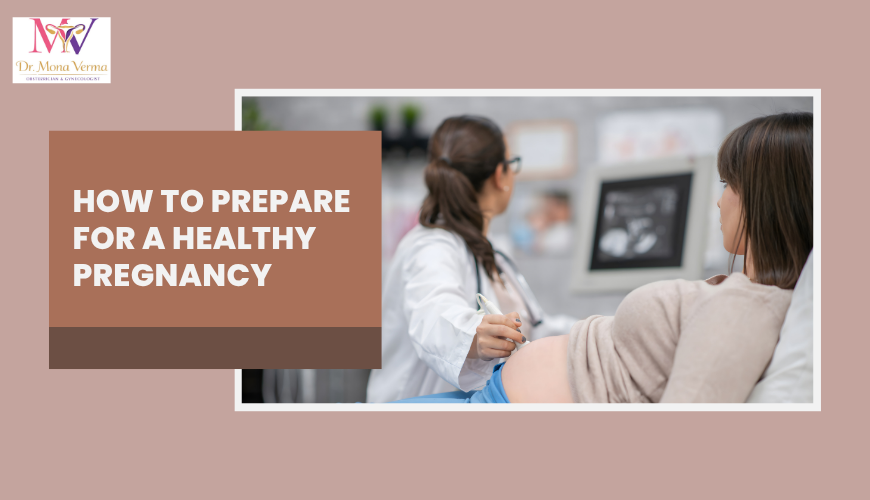
Routine prenatal appointments allow doctors to monitor the baby’s growth, track the mother’s health, and perform necessary tests and ultrasounds. These visits help identify any complications early and ensure that both mother and baby remain healthy.
2. Follow a Nutritious Pregnancy Diet
During pregnancy, nutritional needs increase to support the developing baby. A healthy diet should include proteins, vitamins, minerals, calcium, and iron. Proper hydration and frequent small meals can also help manage pregnancy symptoms such as nausea or fatigue.
3. Stay Physically Active
Light to moderate exercise can help improve circulation, reduce stress, and maintain overall fitness during pregnancy. Activities such as walking, prenatal yoga, and gentle stretching can be beneficial when approved by a doctor.
4. Monitor Pregnancy Symptoms
Pregnant women should be aware of warning signs that require immediate medical attention. Severe abdominal pain, heavy bleeding, persistent headaches, or unusual swelling may indicate complications and should not be ignored.
5. Prioritize Mental and Emotional Well-being
Pregnancy can bring emotional changes due to hormonal shifts. Support from family, adequate rest, and maintaining a positive environment contribute to a healthier pregnancy experience.
Preparing for Delivery
As pregnancy progresses, it is also important to prepare for childbirth. Attending prenatal classes, discussing delivery plans with a doctor, and understanding labor signs can help expectant mothers feel more confident and prepared.
Conclusion
A healthy pregnancy begins with proper preparation and continues with consistent prenatal care. From maintaining a balanced diet to attending regular medical checkups, every step plays an important role in ensuring the well-being of both mother and baby.
With the guidance of an experienced obstetrician like Dr. Mona Verma, women can navigate pregnancy safely and confidently. Personalized care, early monitoring, and professional medical advice help ensure a smooth and healthy journey toward motherhood. 🤰✨